The short version of teeth whitening aftercare: for the first 48 hours, stick to pale, plain food and water, brush gently with a soft brush, skip smoking and anything that stains, and follow the instructions your clinician gives you. After that, a few easy habits keep your shade bright for months. Here is what to do, what to skip, and why, so you can enjoy the result without worrying about every sip.
TL;DR
- For the first 48 hours, choose water, pale food and mild flavours. Skip coffee, red wine, tea, berries, soy sauce, tomato sauce and smoking.
- Brush and floss as normal, but use a soft brush and a light hand. Rinse with water after anything that could stain.
- Mild cold sensitivity or tender gums can happen straight after treatment. If it lasts more than a day or two, call your dental professional.
- Your results last longest when you keep up daily cleaning, cut back on staining drinks and book regular check-ups.
- Your clinician’s instructions for your treatment always come first.
Table of Contents
- What to do straight after your session
- What to eat and drink in the first 48 hours
- Do you really have to wait 48 hours?
- Brushing, flossing and rinsing after whitening
- Managing sensitivity and sore gums
- In-chair vs take-home whitening aftercare
- Do teeth turn yellow again after whitening?
- What whitening will not change
- A simple 7-day aftercare plan
- Book your whitening session with SmileBar
- FAQ
- Sources
What to do straight after your session
The first few hours are simple. You do not need a special routine, just a bit of care.
- Drink water. Have a glass as soon as you leave. Water rinses the surface of your teeth and keeps your mouth comfortable.
- Eat something pale. Think plain rice, chicken, white fish, pasta with cream or butter, eggs, banana, cauliflower, potato or white bread.
- Skip anything with strong colour. That includes coffee, tea, red wine, dark cola, beetroot, curry, balsamic and tomato-based sauces.
- Do not smoke or vape. Smoke and nicotine stain teeth, and healthdirect, the Australian government health service, lists avoiding smoking as part of keeping your results.
- Be gentle. Use a soft toothbrush and lukewarm water if your teeth feel sensitive to cold.
If you had your treatment at lunchtime or after work, plan dinner before you go. It is much easier to stay on track when a pale meal is already sorted. If you booked a quick session during a work day, our guide to lunch break teeth whitening covers how to fit it in around your schedule.
What to eat and drink in the first 48 hours
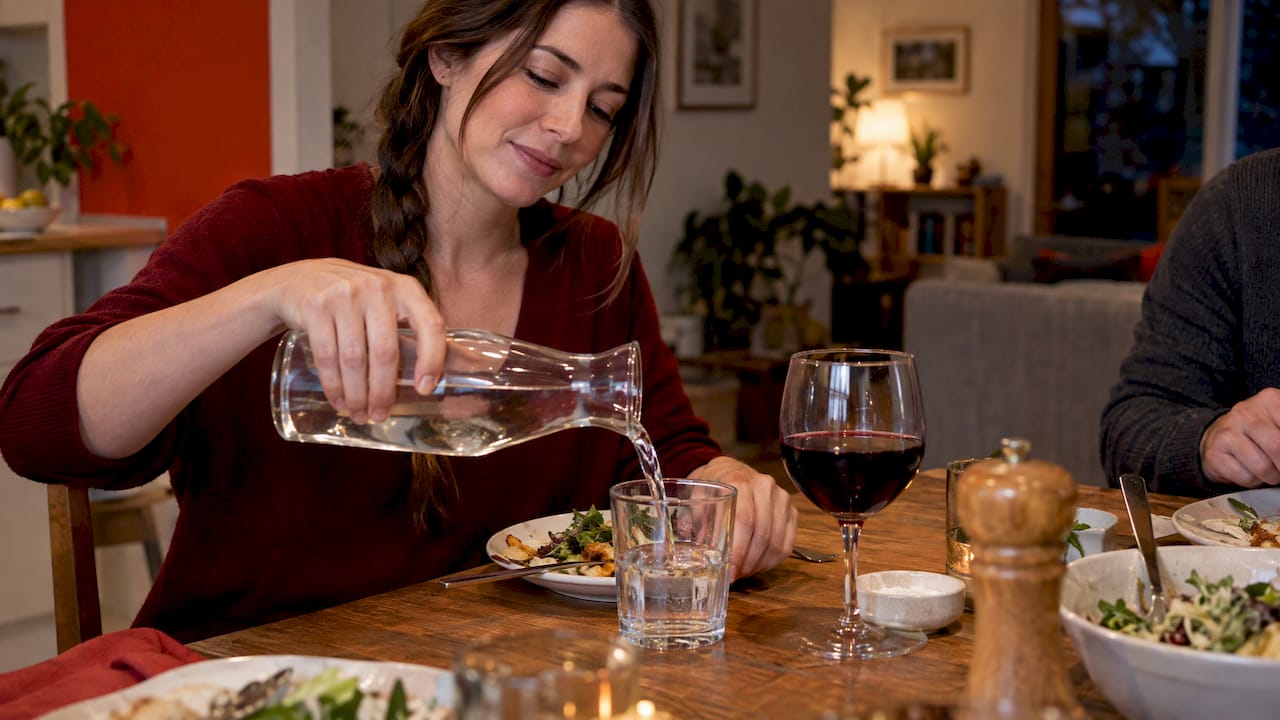
After whitening, your teeth are clean and bright, and many dental clinics advise keeping to a “white diet” for about two days. The idea is simple: while you are still adjusting to the new shade, you avoid giving strong pigments an easy chance to settle on the surface. It is a low-effort habit, and two days is a short time for a result you have paid for.
Here is a practical guide.
| Category | Good choices | Best avoided for 48 hours |
|---|---|---|
| Drinks | Water, milk, clear soft water-based drinks without colour | Coffee, black tea, red wine, cola, dark beer, berry juice, sports drinks with dye |
| Breakfast | Porridge, scrambled eggs, white toast, plain yoghurt | Berry smoothies, dark chocolate spreads |
| Lunch | Chicken sandwich on white bread, plain pasta, rice dishes | Tomato sauce, curry, soy sauce, balsamic dressings |
| Dinner | White fish, creamy pasta, mashed potato, steamed cauliflower | Bolognese, red curries, beetroot, dark gravies |
| Snacks | Cheese, banana, apple, popcorn, crackers | Blueberries, cherries, liquorice, dark chocolate, brightly coloured lollies |
A full list with more ideas sits in our guide on what to eat after teeth whitening and what to avoid.
What about acidic food and drink?
Many clinics also recommend steering clear of very acidic items in the first couple of days, such as citrus fruit, soft drinks, pickles and vinegar-heavy dressings. Acid can leave teeth feeling more sensitive when they are already a little tender after treatment. If you notice a zing when you have something acidic or very cold, that is your cue to switch to milder options for a day or so.
Coffee lovers and red wine fans
If your morning coffee is non-negotiable, the next best thing is to delay it. Wait the full 48 hours if you can. When you do return to coffee, drink it in one sitting rather than sipping for an hour, use a straw for iced versions, and rinse with water afterwards. The same goes for red wine: enjoy it with a meal rather than nursing a glass all night, and have a sip of water between glasses.
Do you really have to wait 48 hours?
This is one of the most common questions, and it deserves an honest answer. A 2024 meta-analysis of studies on this topic, published in the National Library of Medicine’s PubMed Central, found that dietary restrictions did not significantly improve bleaching outcomes one month after in-office treatment. The authors concluded that strict diet restrictions were not necessary during or after bleaching.
So what should you do with that? Think of the 48-hour white diet as a sensible, low-cost habit rather than a rule to stress over. If you have a slip, such as a splash of coffee on the first morning, it is not a disaster. Rinse with water, brush gently at your next scheduled clean and carry on.
Here is how we suggest using that information:
- Treat the 48 hours as a comfort measure. Plain food is gentler on teeth that feel tender, and it keeps your routine simple.
- Follow your clinician’s advice. If your practitioner gives you a specific timeframe, that is the one to follow.
- Focus on the long game. What you drink and do over the following weeks and months matters more than a single cup of tea on day one.
If you want a refresher on what happens during the appointment itself, our overview of the teeth whitening procedure walks through it step by step.
Brushing, flossing and rinsing after whitening
Healthdirect’s advice is straightforward: clean your teeth with a toothbrush and floss every day. Whitening does not change that. A few small tweaks make the days after treatment more comfortable.
- Use a soft-bristled brush. Hard bristles and heavy pressure can aggravate sensitive teeth and gums.
- Choose a gentle toothpaste. A toothpaste made for sensitive teeth is a good choice for the first week. Avoid harsh, gritty formulas.
- Floss gently. Slide the floss rather than snapping it against your gums.
- Rinse with water after meals. This is one of the simplest ways to keep pigments from lingering, and healthdirect specifically recommends rinsing with water after food or drink that can discolour teeth.
- Wait before brushing after acidic food. Give your mouth a little time and rinse with water first.
Your dentist can advise on whether a fluoride mouthwash or a particular toothpaste suits you, especially if you have gum recession, worn enamel or a history of sensitivity.
Managing sensitivity and sore gums
Some people feel nothing at all after whitening. Others notice a short-lived zing from cold air or cold drinks. Healthdirect notes that teeth may be sensitive to cold straight after treatment and that the gums or inside of the mouth may feel irritated. It also advises seeing your dental professional if this continues for more than one or two days.
Here is what helps in the meantime:
- Keep drinks lukewarm. Very hot or very cold items are the usual triggers.
- Sip with care. A straw directs cold drinks away from sensitive teeth.
- Use sensitive-teeth toothpaste. Gently brush with it, and ask your dentist about leaving a little on sensitive spots.
- Eat soft, mild food. Yoghurt, mashed vegetables and soft pasta are easy on tender teeth.
- Avoid extra whitening products. Do not layer more whitening on top while your teeth are still settling.
Sensitivity is one of the things we focus on at SmileBar, and we have written more about it in does teeth whitening hurt and in our guide to whitening for sensitive teeth. If you already know your teeth react to cold, tell your clinician before your session so the treatment and your aftercare can be planned around it.
When to call a professional
Book in with a dentist if you notice any of the following:
- Sensitivity or gum irritation that lasts longer than one to two days
- Gums that look white, blistered or are painful to touch
- A sharp pain in one tooth rather than a general sensitivity
- Swelling, or anything that worries you
Gum irritation after whitening is usually minor and temporary, and our page on how to treat burned gums from teeth whitening explains what it can look like and how to soothe it. Healthdirect also points out that high-strength whitening products can irritate or burn the lips, gums and tongue, and that swallowed gel can cause nausea or stomach irritation. That is a good reason to have strong whitening done by a trained professional rather than at home with unregulated products. In Australia, the Australian Dental Association states that products containing more than 6% hydrogen peroxide can only be supplied and used by registered dental practitioners under state and territory poisons laws.
In-chair vs take-home whitening aftercare
The basics of looking after your teeth are the same either way, but the details differ because the treatments work differently.
| In-chair session | Take-home kit | |
|---|---|---|
| Treatment length | One appointment, usually 60 to 90 minutes | Repeated wear over several days, as directed |
| Diet guidance | Often a white diet for about 48 hours | Often applies for the duration of the wearing period |
| Main aftercare focus | Gentle first 48 hours, then maintenance | Following the wearing times on your product, then maintenance |
| Sensitivity | Most likely on the day and the next day | Can build up across the days you wear the trays |
| Top-ups | Spaced out, as your clinician suggests | Short touch-ups using the kit, as directed |
If you are using a take-home product, follow the wearing time on the instructions and do not stretch it because you want faster results. More is not better, and extra time can leave gums and teeth irritated. Take-home gels may be stronger or weaker depending on the product, so check the packaging and ask your dental professional if you are unsure.
If you are wondering how many visits it takes to reach your target shade, our page on how many teeth whitening sessions you need is a good place to start.
Do teeth turn yellow again after whitening?
Whitening does not make your teeth immune to staining. Over time, daily habits bring back some of the colour, and the speed depends on you. Coffee, tea, red wine, tobacco and sauces are the usual culprits, and natural ageing also plays a part.
The good news is that a few small habits slow this down considerably:
- Rinse with water. After coffee, wine, curry or berries, swish water around your mouth. Healthdirect recommends this.
- Cut back on smoking. It is one of the strongest staining factors, and the first 48 hours are a good time to take a break.
- Use a straw. For iced coffee, iced tea and dark soft drinks, a straw keeps liquid away from your front teeth.
- Brush twice a day and floss daily. Plaque and tartar build-up make teeth look duller.
- Book regular check-ups. A professional clean removes surface stain that brushing leaves behind. We cover why in the importance of regular dental check-ups.
- Time your top-ups. Many people refresh their shade now and then rather than waiting until teeth look dull. Our guide to teeth whitening maintenance shows how to plan that.
The same logic applies to any clinic treatment: the work you do after the appointment matters. If you are curious how that looks in another field, these clinic-approved aftercare steps for the first 48 hours after a skin treatment follow a similar pattern of gentle care, avoiding irritants and checking in with the clinic if something feels off.
What whitening will not change
It helps to set expectations before your appointment, and again afterwards, if you notice something that looks uneven.
The Australian Dental Association NSW notes that whitening results can be unpredictable, including an uneven result or occasionally no change, and that crowns, fillings and other restorative materials do not change colour. In practice this means:
- Teeth with existing dental work may look slightly different in shade to the natural teeth around them.
- Some stains, such as those from certain medications or injuries, respond less well than surface staining from coffee or wine.
- Results vary from person to person, so your shade may differ from a friend’s, even with the same treatment.
That is why a short consultation first is useful. It lets you talk through your teeth, your goals and any dental work, and plan realistic aftercare.
Two other situations call for extra thought. If you are pregnant or planning to be, read our guide on pregnancy teeth whitening and speak with your dentist first. If you have recently had braces removed, our article on whitening after braces explains the timing.
A simple 7-day aftercare plan
Here is a practical timeline you can screenshot.
Day 0 (treatment day): Drink water, eat pale food, skip smoking, brush gently at night with a soft brush.
Day 1: Keep to the white diet. Use sensitive-teeth toothpaste. Keep drinks lukewarm if your teeth feel cold-sensitive.
Day 2: Same as day 1. By the end of the day, you can start to bring back normal food in small steps.
Days 3 to 7: Return to your usual meals. Have coffee, tea or wine in moderation, rinse with water afterwards and use a straw where it helps. Keep brushing and flossing daily.
After week one: Settle into your normal routine with the habits above, book your next dental check-up and plan any top-up whitening with your clinician.
Book your whitening session with SmileBar
If you are thinking about a professional session, we offer two in-clinic options. Our Triple Action 60 minute session is $199 and our Ultra Bright 90 minute session is $249. Both are designed to deliver a brighter, natural-looking smile in a single visit, with a focus on keeping sensitivity low. Your session starts with a consultation, so your aftercare can be tailored to you.
You can see the steps in our simple teeth whitening treatments, book directly on the SmileBar website, or give someone a brighter smile with a gift voucher. We also offer sessions for two, which you can read about in our guide to couples’ teeth whitening.
FAQ
What should you not do after teeth whitening?
For the first 48 hours, avoid smoking and heavily coloured or acidic food and drink, such as coffee, red wine, tea, berries, tomato sauce and soft drink. Do not brush hard or add extra whitening products. Stick to water and pale food, and follow your clinician’s advice.
Can I eat normally 24 hours after teeth whitening?
Many clinics suggest keeping to a white diet for about 48 hours, so a full return to normal at 24 hours is not the usual advice. A 2024 meta-analysis found that diet restrictions did not significantly change results at one month, so a small slip is not a disaster. If you want to be careful, stay with pale food until day three.
How long does teeth whitening sensitivity last?
Cold sensitivity and mild gum irritation can occur straight after treatment. Healthdirect advises seeing a dental professional if it lasts more than one or two days. In the meantime, use sensitive-teeth toothpaste and keep drinks lukewarm.
Do teeth turn yellow again after whitening?
Teeth can pick up stains again over time, especially with coffee, tea, red wine and smoking. Rinsing with water, brushing and flossing daily, and regular dental check-ups help keep your shade brighter for longer. Your clinician can advise on a top-up schedule that suits you.
Sources
These SmileBar pages were used as references for this guide:
- What to Eat After Teeth Whitening & What to Avoid
- Teeth Whitening Maintenance: How to Keep Your Results
- Does Teeth Whitening Hurt?
- Teeth Whitening Treatments for Sensitive Teeth
- How to Treat Burned Gums From Teeth Whitening
- The Importance of Regular Dental Check-Ups
Recommended
- What to Eat After Teeth Whitening & What to Avoid
- Teeth Whitening Maintenance: How to Keep Your Results
- How to Treat Burned Gums From Teeth Whitening
- Teeth Whitening Before and After: What Results to Expect