The short answer: Australian health guidance does not recommend teeth whitening while you are breastfeeding. No one has shown that whitening harms a baby. The gap is that no one has shown it is safe either, so the cautious advice is to wait until you have finished breastfeeding. This guide covers what the Australian sources say, what is known about breast milk, what to do if you have already whitened, and how to keep your smile looking fresh until you can book.
TL;DR
- Healthdirect, the Australian Government’s health information service, says teeth whitening is not recommended if you are pregnant or breastfeeding.
- There is no evidence that whitening is dangerous for a breastfeeding baby, but there is also no solid evidence that it is safe. That is why dental sources suggest holding off.
- Strong whitening gel (more than 6% hydrogen peroxide) can only be used by registered dental professionals in Australia, so ask a dental professional before you do anything, including whitening toothpaste.
- If you have already whitened, stay calm, rinse well and speak to a dental professional about any irritation that lasts more than a day or two.
- While you wait, you can reduce new staining with simple habits, then book a professional session once breastfeeding has finished.
Table of Contents
- The short answer for breastfeeding mums
- What Australian health bodies say
- What is known about whitening and breast milk
- Professional whitening versus at-home products
- If you have already whitened while breastfeeding
- Keeping your smile bright while you wait
- Planning your whitening for after breastfeeding
- When you are ready: whitening with SmileBar
- Questions to ask before you book
- What about whitening kits and strips?
- FAQ
- Sources
The short answer for breastfeeding mums
If you are asking whether you can whiten your teeth while breastfeeding, the most reliable Australian guidance says to wait. Healthdirect states that teeth whitening is not recommended during pregnancy or breastfeeding. The Australian dental health site teeth.org.au says the same, and adds the reasoning: there isn’t any evidence that whitening is dangerous for pregnant women, but there also isn’t any evidence that it is safe, so it is best to avoid it.
That wording matters. It is not a warning that whitening has hurt babies. It is a precaution, based on the fact that this question has never been studied properly. Researchers rarely run trials on breastfeeding mothers for cosmetic treatments, so the advice defaults to “wait”.
For most people the wait is temporary. Whitening is a cosmetic treatment, not an urgent one, and your teeth will still be there, ready to be brightened, when you have finished feeding.
What Australian health bodies say
Here is how the main Australian sources line up.
| Source | What it says on breastfeeding and whitening |
|---|---|
| Healthdirect | Whitening is not recommended if you are pregnant or breastfeeding. Strong gels and products with more than 6% hydrogen peroxide are for registered dental professionals only. |
| teeth.org.au | Treatment is not recommended while pregnant or breastfeeding. No evidence of danger, but none of safety, so best avoided. Ask your doctor or dentist before using a whitening toothpaste. |
| Australian Dental Association (Policy Statement 2.2.8) | Only registered dental practitioners trained in whitening should use or supply products above 6% hydrogen peroxide (or carbamide peroxide above 18%). |
Two threads run through all of them. First, they take a cautious line on breastfeeding. Second, they want a dental professional involved, whatever the method.
That second point is worth keeping in mind for the future. The Australian Dental Association’s policy says an appropriate examination to diagnose and treat any dental or oral health problems is needed to minimise discomfort or health risks from bleaching agents. It also says the risks and costs should be explained and documented along with informed consent. A good whitening provider should walk you through all of this before a session starts.
What is known about whitening and breast milk
You will find a range of opinions online, and it helps to know why they differ.
The cautious view. The Breastfeeding Network in the UK says it found no information on the use of tooth whitening agents during lactation. It considers significant transfer into breastmilk unlikely, but also considers urgent treatment unlikely to be necessary, so it suggests delaying until breastfeeding has finished naturally.
The reassuring view. The same organisation’s beauty treatments factsheet says there is little research on having teeth whitened, but it is unlikely to affect breastfeeding because the gel should not be swallowed. MotherToBaby, a US information service, says teeth whitening products, including professional procedures, are for the most part not expected to increase risks to a pregnancy or a breastfeeding baby.
The ingredient argument. A pharmacist answering a question on a consumer Q&A site noted that breast milk already contains relatively high levels of hydrogen peroxide, especially in the colostrum period. On that basis, any amount reaching your milk from whitening would likely be negligible. The same pharmacist still said the safest approach is to avoid whitening products until you are done breastfeeding, because no studies have been done.
Put together, the picture is consistent in an important way. Nobody has found harm, some sources think the risk is very low, and almost everyone still lands on “wait” because there are no breastfeeding-specific studies to point to. In Australia, the official guidance follows that cautious line, and that is the line we recommend you follow.

Professional whitening versus at-home products
A common assumption is that shop-bought strips and pens must be gentler, and therefore safer during breastfeeding. The Australian guidance does not say that.
Healthdirect says whitening is not recommended while breastfeeding, whatever the product. It also says that using kits, or having whitening done by someone who is not a qualified dental professional, can put you at risk of harm. The UK’s NHS gives similar advice for pregnancy and breastfeeding, and adds that having whitening done by a dental professional is the safest way to whiten at all.
Australian rules draw a clear line on strength. The Australian Dental Association says only registered dental practitioners should use or supply bleaching products with more than 6% hydrogen peroxide or equivalent. It also notes that WorkSafe Australia designates hydrogen peroxide above 5% as a hazardous substance, because direct contact with skin, eyes and the lining of the mouth can cause severe irritation or burns, and swallowing it can irritate the oesophagus and stomach.
Those facts are not a reason to fear the treatment. They are the reason that strong whitening belongs in a controlled setting, with isolation of the gums and a trained operator, rather than a bathroom shelf. The same policy says peer-reviewed studies indicate peroxide bleaching products are safe and effective when used by or under the supervision of a dentist, with the most common side effects being short-lived tooth sensitivity and soft tissue irritation.

So the practical rule while you are breastfeeding is simple: skip both in-clinic whitening and at-home kits for now, and ask a dental professional if you are unsure about anything, including whitening toothpastes.
If you have already whitened while breastfeeding
It happens. Perhaps you did not read the fine print on the strips, or you booked a session before you knew you would be feeding. Here is what to do.
- Rinse and keep going with normal care. Rinse your mouth well with water, and keep brushing gently with a soft brush.
- Watch for stomach upset. Healthdirect says swallowing whitening gel can cause nausea and stomach irritation. If you think you swallowed a meaningful amount, call your doctor or the Poisons Information Centre on 13 11 26.
- Check any gum or mouth irritation. Healthdirect advises having a dental professional look at gum or mouth irritation that lasts more than one or two days.
- Talk to your doctor, pharmacist or child health nurse if you are worried. They can look at your situation and your baby’s age and give advice specific to you. You can also call the Australian Breastfeeding Association helpline on 1800 686 268.
The sources reviewed above found no evidence of harm to breastfed babies from whitening, so there is no need to stop feeding or to express and discard milk unless a health professional tells you to.
Keeping your smile bright while you wait
Waiting does not mean your teeth have to dull in the meantime. Nothing here is a substitute for professional care, but these everyday habits help limit new staining:
- Rinse with water after coffee, tea and red wine. It washes pigments off before they settle in. Many new parents drink more coffee than ever, so this one habit adds up.
- Use a straw for iced coffee and dark drinks where it suits you, so less liquid sits against the front of your teeth.
- Brush twice a day with fluoride toothpaste and clean between your teeth daily. Plaque holds stains, so clean teeth show less discolouration.
- Wait a little before brushing after acidic drinks. Acid softens enamel temporarily, so rinsing with water first is a gentler option.
- Keep up your regular check-ups and cleans. A professional clean removes surface stain that brushing leaves behind, and your dental professional can tell you whether a whitening-safe toothpaste suits you while you are breastfeeding. teeth.org.au suggests asking your doctor or dentist before using one.
- Mind the nightly feed and the sugar. Frequent sugary drinks and snacks raise your risk of decay, which is a bigger concern for your teeth than shade.
Breastfeeding can also leave you tired and short on time, and oral care often slips. A short, steady routine you can sustain beats an elaborate one you drop after a week.
Planning your whitening for after breastfeeding
There is a good side to the wait: you can plan the treatment properly and enjoy the result.
Pick your moment. Many people choose a date that matters to them, such as weaning, a return to work, a wedding or a milestone birthday. Because the Ultra Bright session is 90 minutes, it suits a quiet block of time when someone else can look after the baby.
Get a dental check first. Book a check-up and clean so any decay, gum issues or worn enamel are dealt with before whitening. It is also a good moment to ask about sensitivity, which Healthdirect and the Australian Dental Association both note can happen after whitening.
Understand the session. Our treatment steps page explains what happens in the chair, from the consultation to the final shade check.
Check our related guidance. If you are still working out the timing around pregnancy, our page on pregnancy teeth whitening explains why dentists say to wait.
When you are ready: whitening with SmileBar
Once you have finished breastfeeding, we would love to help you brighten your smile. SmileBar offers in-clinic professional whitening designed around a consultation, using the highest grade whitening gel allowed by law and advanced equipment, with a focus on keeping sensitivity low. We have completed over 10,000 procedures since 2011.
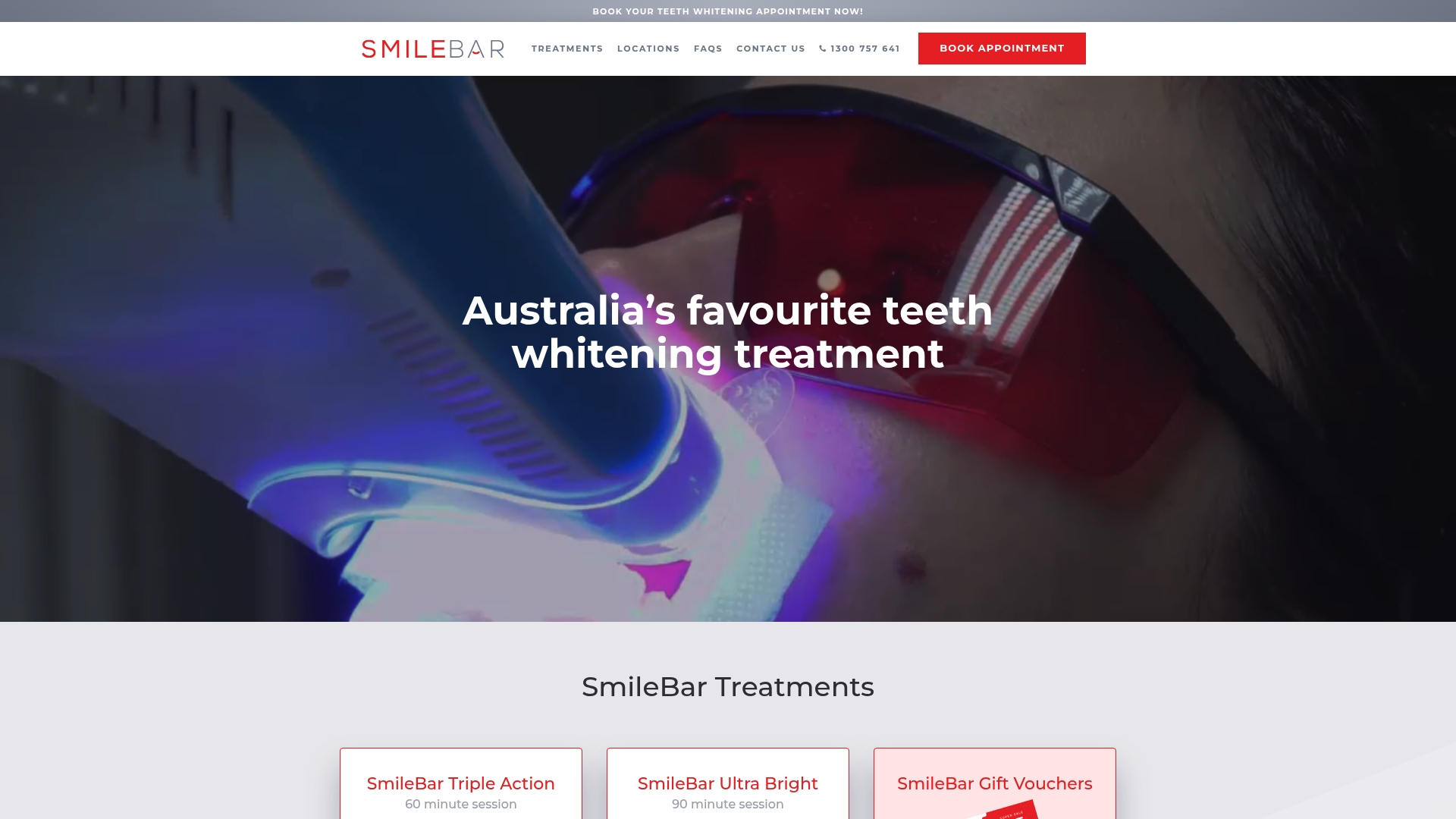
Our current sessions are:
- Triple Action, 60 minutes: $199
- Ultra Bright, 90 minutes: $249
Gift vouchers are also available, which makes a session a thoughtful present for a new mum who has been waiting. See the sessions and book on the SmileBar website. You can also find your nearest clinic in Sydney, Melbourne, Perth, Adelaide or on the Sunshine Coast.
Questions to ask before you book
When you are ready, a few questions help you feel confident with any provider:
- Will there be a consultation and an examination of my teeth and gums before treatment?
- Who carries out the treatment, and how are my gums protected?
- What strength is the gel, and does it comply with Australian rules?
- What should I expect in terms of sensitivity, and how is it managed?
- What aftercare do you recommend, and for how long?
- Will the risks and costs be explained, and will I be asked to consent in writing?
The last point echoes the Australian Dental Association’s policy, which expects risks and costs to be explained and documented with informed consent. If you are still breastfeeding and have been tempted by a promotion, a quick chat with your dentist first costs nothing and keeps you on the safe side.
What about whitening kits and strips?
It is tempting to try a box of strips from the supermarket in a spare ten minutes. The fine print on many of these products already says they are not recommended for pregnant or breastfeeding women, which matches the Australian guidance above. Using a product that is not suited to your situation, or using it incorrectly, is where most of the avoidable trouble starts.
If you want an at-home option later on, ask your dental professional which product suits your teeth and when to start. Any home product should come with clear instructions, and strong gels above the 6% limit are not for general sale in Australia.
FAQ
Can you whiten your teeth while breastfeeding?
Australian health guidance, including Healthdirect and teeth.org.au, says whitening is not recommended while breastfeeding. There is no evidence that it harms babies, but there is no evidence of safety either. Most dental sources suggest waiting until you have finished breastfeeding.
Is whitening toothpaste safe while breastfeeding?
Teeth.org.au advises getting advice from your doctor or dentist before using a whitening toothpaste while pregnant or breastfeeding. Regular fluoride toothpaste remains the foundation of your oral care. A dental professional can tell you if a particular whitening toothpaste suits you.
What if I swallowed some whitening gel?
Healthdirect says swallowing whitening gel can cause nausea and stomach irritation. Rinse your mouth with water and contact your doctor or the Poisons Information Centre on 13 11 26 for advice. If you notice gum or mouth irritation that lasts more than a day or two, have a dental professional check it.
How long should I wait after breastfeeding to whiten?
The Breastfeeding Network suggests delaying until breastfeeding has finished naturally. There is no widely published waiting period afterwards, so ask your dentist or doctor about your own situation. When you book, tell the clinic about your breastfeeding history and any sensitivity.
Can I book a gift voucher now for later?
Yes. SmileBar gift vouchers let you or someone else lock in a treatment to use when the time is right. See the SmileBar website for details.
Sources
This article refers to the following SmileBar pages. Health guidance mentioned in the text comes from Healthdirect, teeth.org.au, the Australian Dental Association, the NHS, the Breastfeeding Network and MotherToBaby.