Elective teeth whitening is not recommended during pregnancy, and most dental professionals advise waiting until after breastfeeding too, since Healthdirect states that safety has not been established for either stage. The practical next step is simple: keep up routine dental checkups and raise any cosmetic concerns with your dentist and maternity care team.
TL;DR:
- Clinic whitening includes an oral exam and supervision, while home kits skip screening; lower peroxide strength does not establish pregnancy safety.
- In Australia, products above 6% hydrogen peroxide or 18% carbamide peroxide are restricted to registered dental practitioners, with an exam expected first.
- Breastfeeding is less clear: peroxide breaks down quickly, but many practitioners still advise waiting until breastfeeding ends before elective whitening.
- Routine cleanings and necessary dental treatment can continue; after vomiting, rinse with water and delay brushing to protect softened enamel.
- After breastfeeding, a clinic should check oral health and sensitivity, then tailor gel strength, session length, and aftercare to your condition.
Table of Contents
- How in-clinic whitening differs from at-home products
- Australian rules on whitening agents and who can supply them
- When to time whitening around pregnancy and breastfeeding
- What to prioritize instead of whitening right now
- How a professional clinic evaluates you once whitening is appropriate
- Weighing cosmetic concerns against the safety-first approach
- Ready for a brighter smile once you’re cleared to whiten
- FAQ
- Sources
How in-clinic whitening differs from at-home products
The gap between professional whitening and store-bought options comes down to assessment, strength, and supervision, and that gap matters more during pregnancy than at any other time.
In a dental chair, a practitioner examines your gums and teeth before anything touches your mouth, checks for pregnancy-related sensitivity or inflammation, and uses a higher-strength peroxide gel under direct supervision. At-home strips, over-the-counter gels, and whitening toothpastes use lower concentrations, but nobody is screening your mouth first, and the ingredient lists are not always evaluated for use in pregnancy. That unsupervised gap is exactly why health guidance leans cautious for both routes right now, not just the stronger one.
A few contrasts are worth keeping in mind when you compare the two:
- Assessment: in-clinic treatment starts with an oral exam; at-home kits skip this step entirely.
- Supervision: a dental practitioner monitors the session and can stop if irritation appears.
- Concentration: professional gels are stronger and faster-acting, which is also why they require oversight.
- Informed consent: clinics document your history and explain risks before treatment; retail packaging cannot do that.
Pro Tip: When you do book a consultation (now or after breastfeeding), mention your pregnancy timeline, any history of nausea or reflux, and whether your teeth have felt more sensitive than usual. This lets your dentist tailor the plan instead of guessing.
Australian rules on whitening agents and who can supply them
Australia treats whitening strength as a regulatory line, not just a marketing detail. The Australian Dental Association’s policy statement 2.2.8 specifies that only registered dental practitioners may use or supply products above certain concentrations, and a dental exam is expected before any whitening begins.
- Products with more than 6% hydrogen peroxide, or 18% carbamide peroxide, fall under poisons scheduling laws that restrict supply to dental practitioners.
- Anything below that threshold can be sold more widely, which is why salon and retail kits are usually weaker than clinic treatments.
- Consumer protection bodies oversee advertising claims, so a salon offering bleaching outside these rules is operating outside professional and consumer-law boundaries.
The threshold that separates a clinic treatment from a retail kit is 6% hydrogen peroxide (or 18% carbamide peroxide), and it exists specifically so stronger agents stay under professional supervision.
When to time whitening around pregnancy and breastfeeding
Dental guidance treats pregnancy as a clear pause point, mainly because there is no body of safety trials covering whitening agents in pregnant patients. Breastfeeding sits in a grayer zone: some practitioners consider it lower risk since peroxide breaks down quickly in the body, but many still recommend waiting, as noted in an information sheet on teeth whitening from dental industry sources.
A practical way to plan around this:
- If whitening matters to you before a pregnancy, schedule it ahead of time rather than during.
- If you are already pregnant or breastfeeding, treat whitening as a “later” item, not a “never” item.
- If a cosmetic concern feels urgent, get joint input from your dentist and your obstetrician or midwife before deciding anything.
What to prioritize instead of whitening right now
Routine dental care does not stop just because elective whitening does. The MotherSafe dental leaflet confirms that most dental treatment, including cleanings, fillings, and local anesthetic, is generally safe throughout pregnancy and worth keeping up with rather than postponing.
For stain control and comfort in the meantime:
- Stick with a toothpaste suited to sensitive teeth if your gums feel tender.
- Brush gently with a soft-bristled brush rather than reaching for abrasive whitening pastes.
- Limit acidic or heavily staining foods and drinks, especially if morning sickness has you vomiting frequently.
Pro Tip: If reflux or vomiting is wearing down your enamel, rinse with plain water afterward instead of brushing right away. Brushing immediately after a vomiting episode can grind acid into softened enamel and make sensitivity worse.
How a professional clinic evaluates you once whitening is appropriate
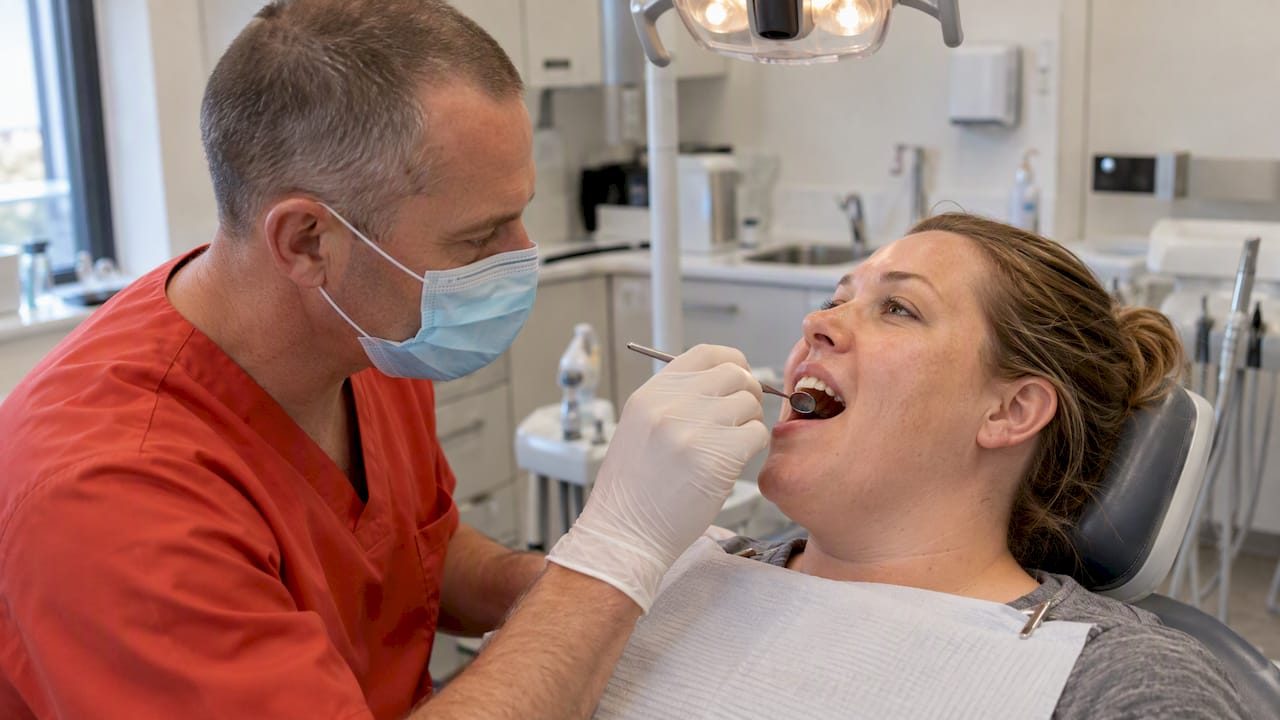
Once pregnancy and breastfeeding are behind you, a reputable clinic does not just hand you a tray and a timer. The process starts with a consultation and oral exam, followed by a conversation about your recent health history, including how long ago you stopped breastfeeding, so the plan accounts for any lingering sensitivity.
Our consultations shape a treatment plan around your comfort as much as your results. Intensive sessions are built with sensitivity in mind from the start, rather than treating it as an afterthought once discomfort shows up mid-treatment.
What that looks like in practice:
- A pre-treatment exam to rule out issues that would make whitening uncomfortable or unsuitable.
- A tailored gel strength and session length based on what your teeth can handle.
- Aftercare guidance on sensitivity management and a clear point of contact if anything feels off afterward.
Weighing cosmetic concerns against the safety-first approach
Delaying whitening during pregnancy is not about treating your smile as less important. It is a precaution grounded in the simple fact that nobody has run the trials to say the agents are safe for a developing baby or a nursing infant. Your options do not disappear, they just wait. Talk it through openly with your dentist and your maternity care provider, and let the timing follow the evidence rather than impatience.
— Matthew
Ready for a brighter smile once you’re cleared to whiten
Once your dentist gives the go-ahead, a tailored session makes the difference between a rushed result and one that actually suits your teeth. We build every consultation at SmileBar around your history first, checking for sensitivity triggers before any gel goes near your teeth, so you walk in knowing the plan fits you.
Here is what that looks like side by side:
- Book directly through our treatment process page to see what a session involves.
- Prefer to gift it instead? SmileBar Gift Vouchers are available for a future date when timing is right.
- Clinics are open in major cities, including Townsville, for easy booking once you’re ready.
Every consultation starts with a screening step, so you can ask questions and confirm suitability before committing to a session.
This article is general information, not a substitute for advice from a qualified doctor. Consult a qualified healthcare professional about your own circumstances before acting on anything here.
FAQ
Is it safe to get teeth whitened while pregnant?
No, elective teeth whitening is not recommended during pregnancy because its safety has not been established, according to Healthdirect. Routine dental care, including cleanings and necessary treatment, remains safe and is encouraged throughout pregnancy.
Do I really have to wait 48 hours after teeth whitening?
This question is usually about aftercare following a completed whitening session, not about pregnancy timing. Many practitioners recommend avoiding staining foods and drinks for a short window after treatment to let the enamel resettle, though exact guidance varies by clinic and is best confirmed at your appointment.
In which month does pregnancy glow start?
This relates to general pregnancy skin changes rather than dental health, and timing varies widely between individuals, so there is no fixed month that applies universally.
What is “pregnancy mouth”?
“Pregnancy mouth” generally refers to oral changes some people notice during pregnancy, such as gum inflammation, increased sensitivity, or a higher risk of enamel erosion from morning sickness. These changes are part of why professional guidance leans toward caution with cosmetic procedures like whitening and toward keeping up routine dental visits instead.
Sources
- Teeth whitening | healthdirect
- Policy Statement 2.2.8 – Teeth Whitening (Bleaching) By Persons other than Dental Practitioners | Australian Dental Association
- Dental treatment in Pregnancy and Breastfeeding (MotherSafe / Royal Hospital for Women)
Recommended
- Whitening Children’s Teeth: Is It Recommended?
- Teeth Whitening Costs in Australia for 2026
- What to Eat After Teeth Whitening & What to Avoid
- Salon vs Dentist vs At-Home Teeth Whitening


